
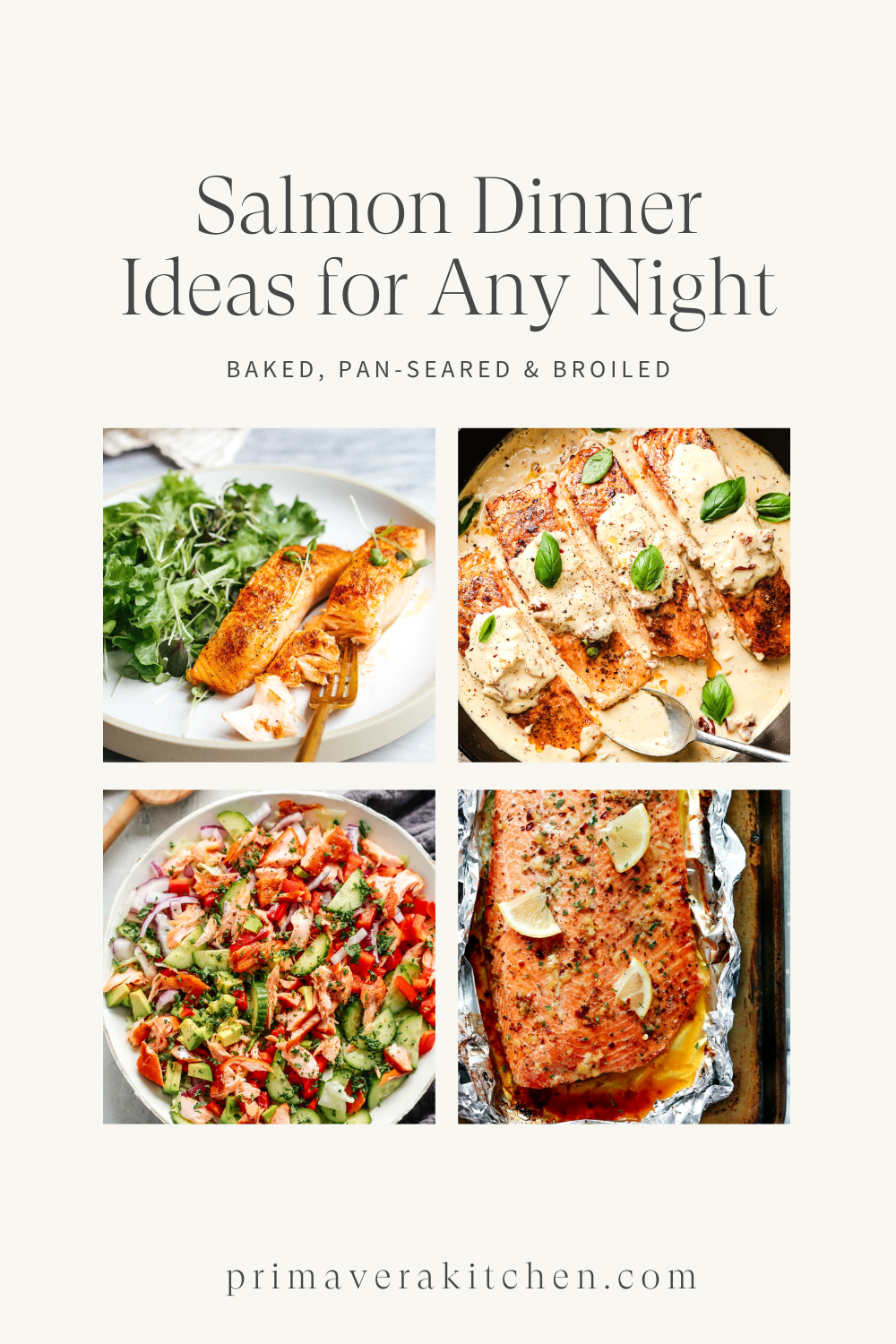
Salmon dinner ideas do not need to be complicated. After 12 years of making salmon for my family at least once a week, I can tell you that the recipes we come back to most are the ones that are quick, made with real ingredients, and reliably good even on a Tuesday night after a long day. This roundup brings together my 35 favorite salmon recipes, organized by cooking method, so you can find exactly what you need whether you have 15 minutes or 30, whether you want something light or something rich and saucy.


Why I Always Have Salmon in My Kitchen
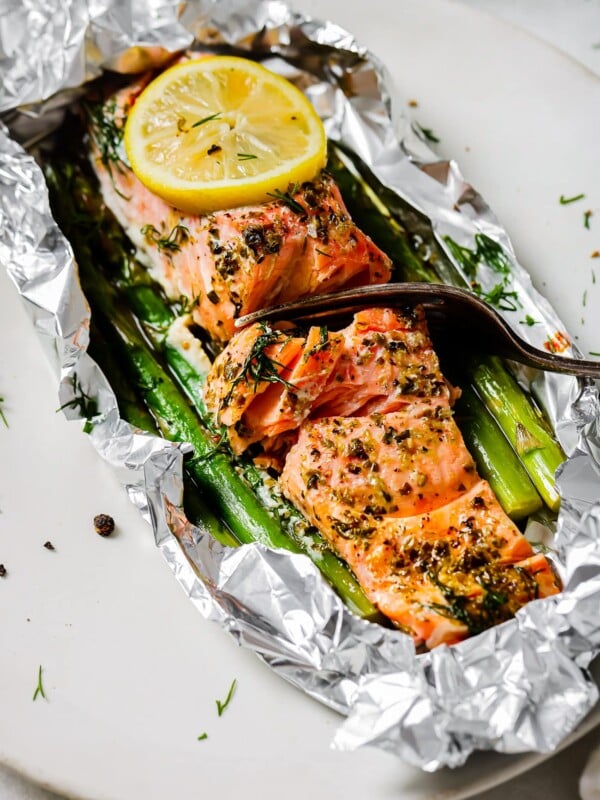
I grew up in Brazil where we ate fish regularly, but it was after moving to Canada in 2010 that salmon became a true weeknight staple for my family. Pierre loves it. Thomas, who we call Tomtom, has been eating it since he was small, and now at 10 years old he will specifically request my Garlic Butter Salmon in Foil when I ask him what he wants for dinner. That alone says everything about how family-friendly these recipes are.
Salmon is one of those proteins that works in almost every direction. It takes bold glazes, creamy sauces, simple salt and lemon, or a spice rub with equal ease. It cooks in under 15 minutes on the stovetop and in 20 to 25 minutes in the oven. It pairs beautifully with rice, roasted vegetables, salads, and pasta.
I have developed more than 25 salmon recipes on this site over the years. This roundup pulls together my favorites, plus a handful of trusted recipes from around the web, organized so you can actually find what you are looking for. If you want to start with something foolproof, my Oven Baked Salmon in Foil is the one I recommend to anyone who tells me they are nervous about cooking fish.
How to Buy Salmon: What I Look For
Before you cook any of these recipes, it helps to start with good fish. Here is what I look for every time I am at the store, after years of testing these recipes with different types of salmon.
Wild-caught vs. farmed: I always reach for wild-caught salmon when I can find it. It has a deeper, more complex flavor, a firmer texture, and that beautiful vibrant orange-red color. The most common wild varieties you will find in Canadian and US stores are Sockeye, Coho, and King (also called Chinook). Sockeye is the most widely available and has a strong, rich flavor that stands up beautifully to bold glazes and spice rubs. Coho is milder and more delicate, which makes it excellent for lighter preparations like foil-baked or pan-seared. King salmon is the most prized and the most expensive. It has the highest fat content and practically melts in your mouth. Farmed Atlantic salmon is milder, fattier, and more budget-friendly. It works well in creamy sauces and baked dishes. I have made every recipe in this roundup with both, and they all work. Wild-caught just gives you a richer result.
Fresh vs. frozen: Do not overlook frozen salmon. I buy it all the time. Fish that has been flash-frozen at sea is often fresher than what has been sitting on ice at the fish counter for days. When buying frozen, look for an ingredient list with just one thing on it: salmon. No added water, no sodium tripolyphosphate. When buying fresh, the flesh should be bright, firm, and moist with no grey patches. It should smell like the ocean, clean and mild. If it smells strongly fishy, pass on it.
Portion size: For the recipes in this roundup, I typically use 6-ounce fillets. Most are cut from a larger side of salmon. For even cooking, try to choose fillets that are similar in thickness. If you have one very thin tail end and one thick center cut, they will not cook at the same rate.
How to Tell When Salmon Is Done
This is the question I get asked most, so I want to answer it before you dive into the recipes. The USDA recommends an internal temperature of 145°F, measured at the thickest part of the fillet with an instant-read thermometer. If you do not have a thermometer, look for the flesh to turn from translucent to opaque and flake easily when pressed with a fork.
I personally pull my salmon at 125 to 130°F for a silkier, more restaurant-style result that is still fully safe. At 145°F the fish is fully cooked through but will be firmer. Both are correct. It is a matter of preference.
One thing to watch: that white stuff you sometimes see oozing out of salmon while it cooks is albumin, a protein that surfaces when the fish cooks too quickly or at too high a heat. It is harmless, but it is a sign to lower the heat slightly or pull the fish a minute earlier. It happens most with farmed salmon.
Baked Salmon Recipes
Baking is my favorite method for weeknights because the oven does the work. I can prep a side dish, set the table, and help Thomas with homework while the salmon bakes. Most of these recipes are ready in 20 to 25 minutes at 400°F.
Easy Baked Salmon from Creme de la Crumb: A clean, simple baked salmon with a brown butter glaze. A reliable pick when you want something straightforward and crowd-pleasing.
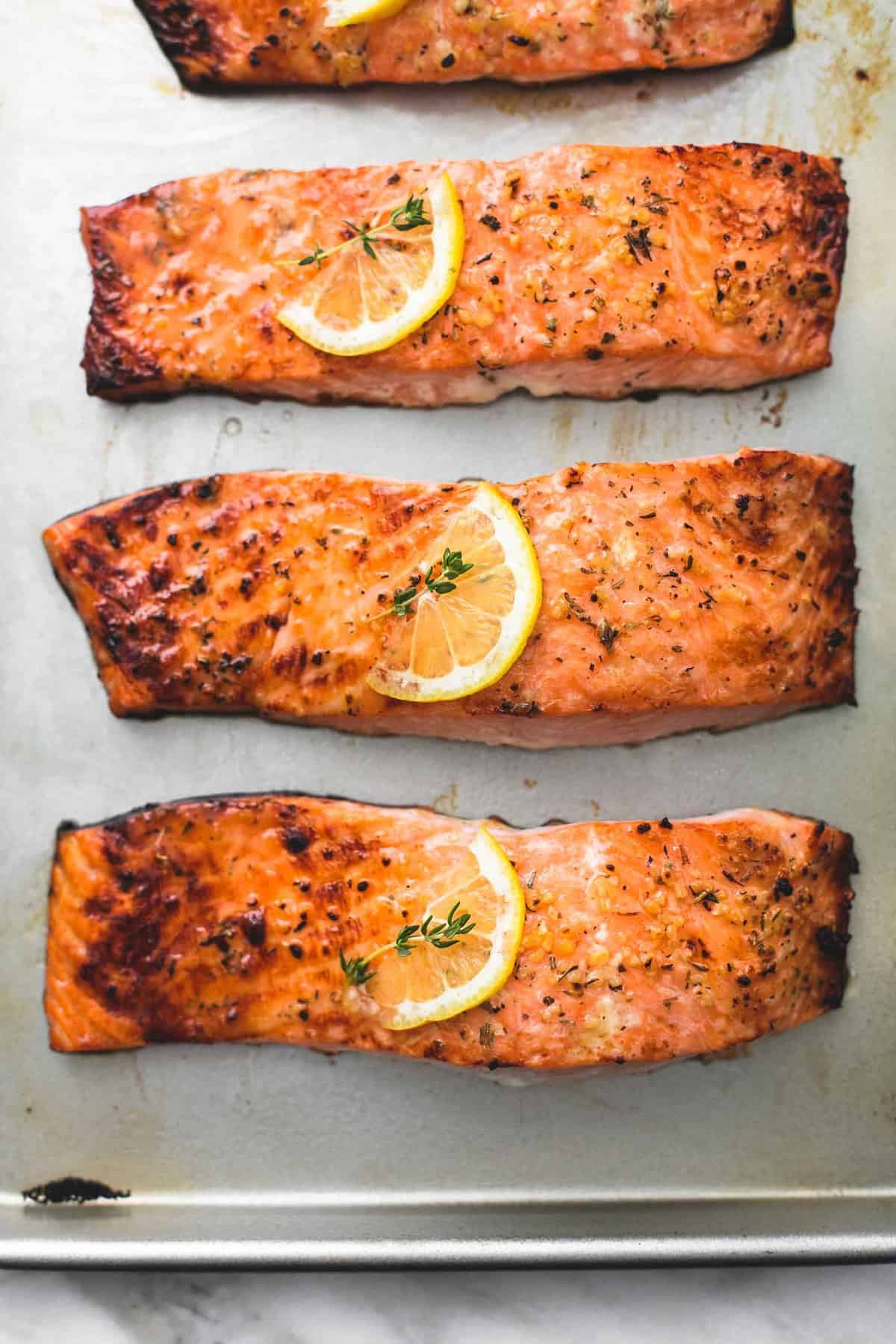
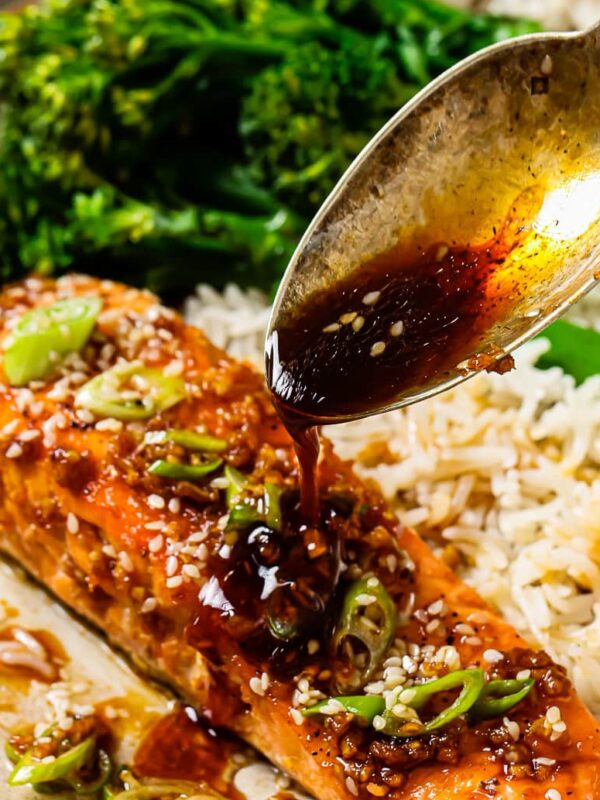
Maple Mustard Salmon: Sweet, tangy, and ready in under 25 minutes. The maple and Dijon together make a glaze that caramelizes beautifully in the oven. A family favorite, especially in fall.
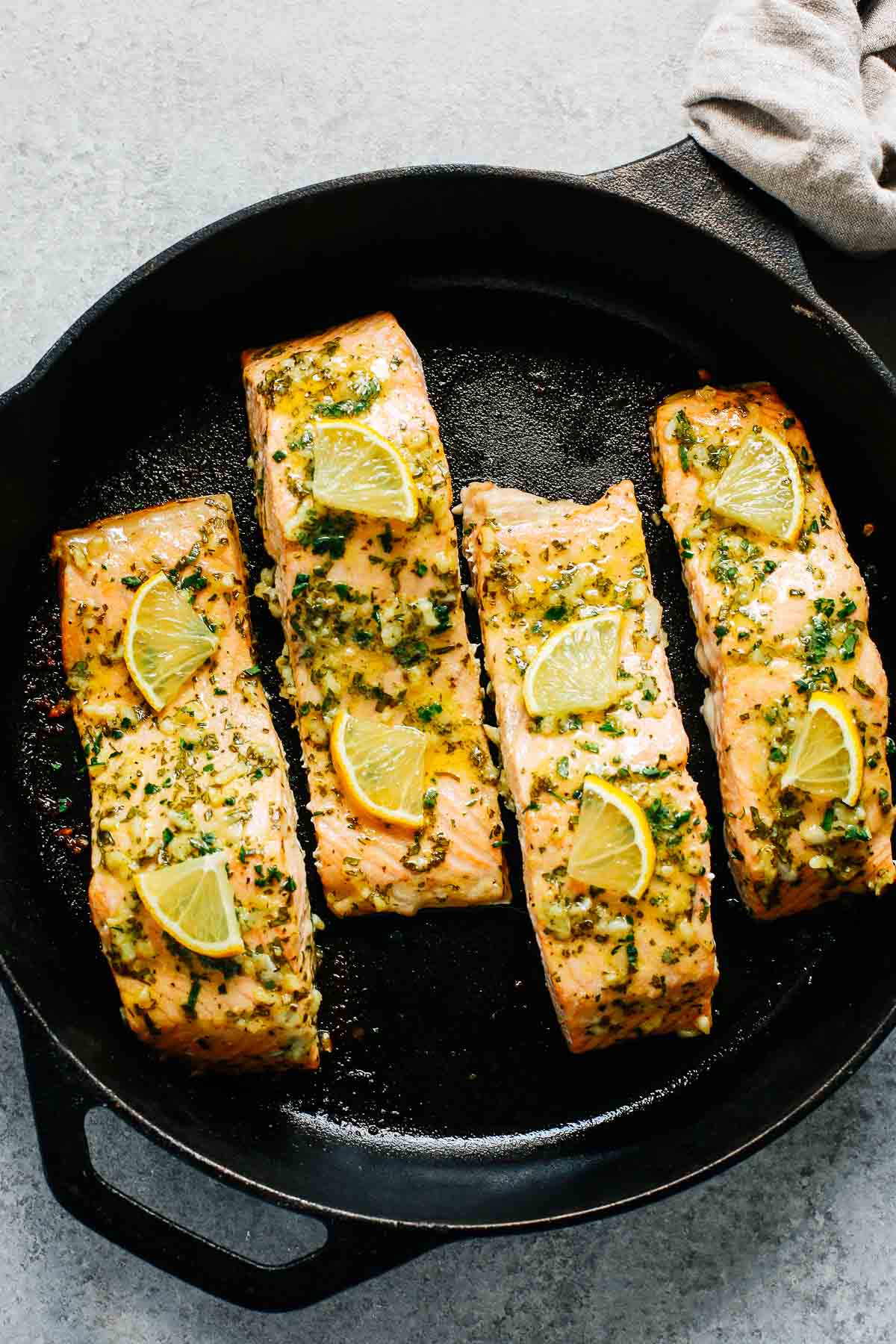
Baked Salmon with Garlic and Dijon from Natasha’s Kitchen: The Dijon mustard creates a light, flavorful crust as it bakes. Pierre loves the tang of mustard with salmon and this one has never disappointed.
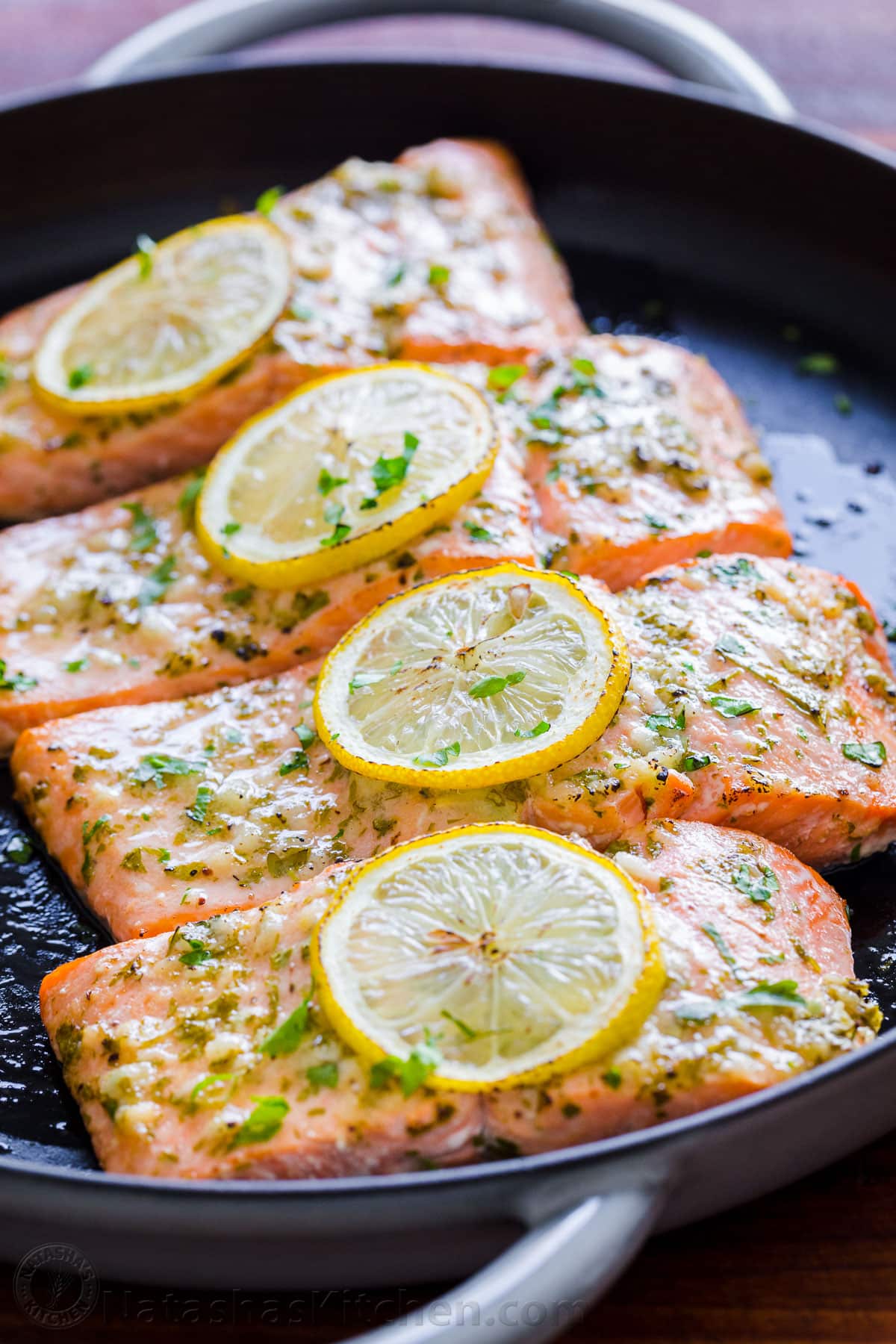
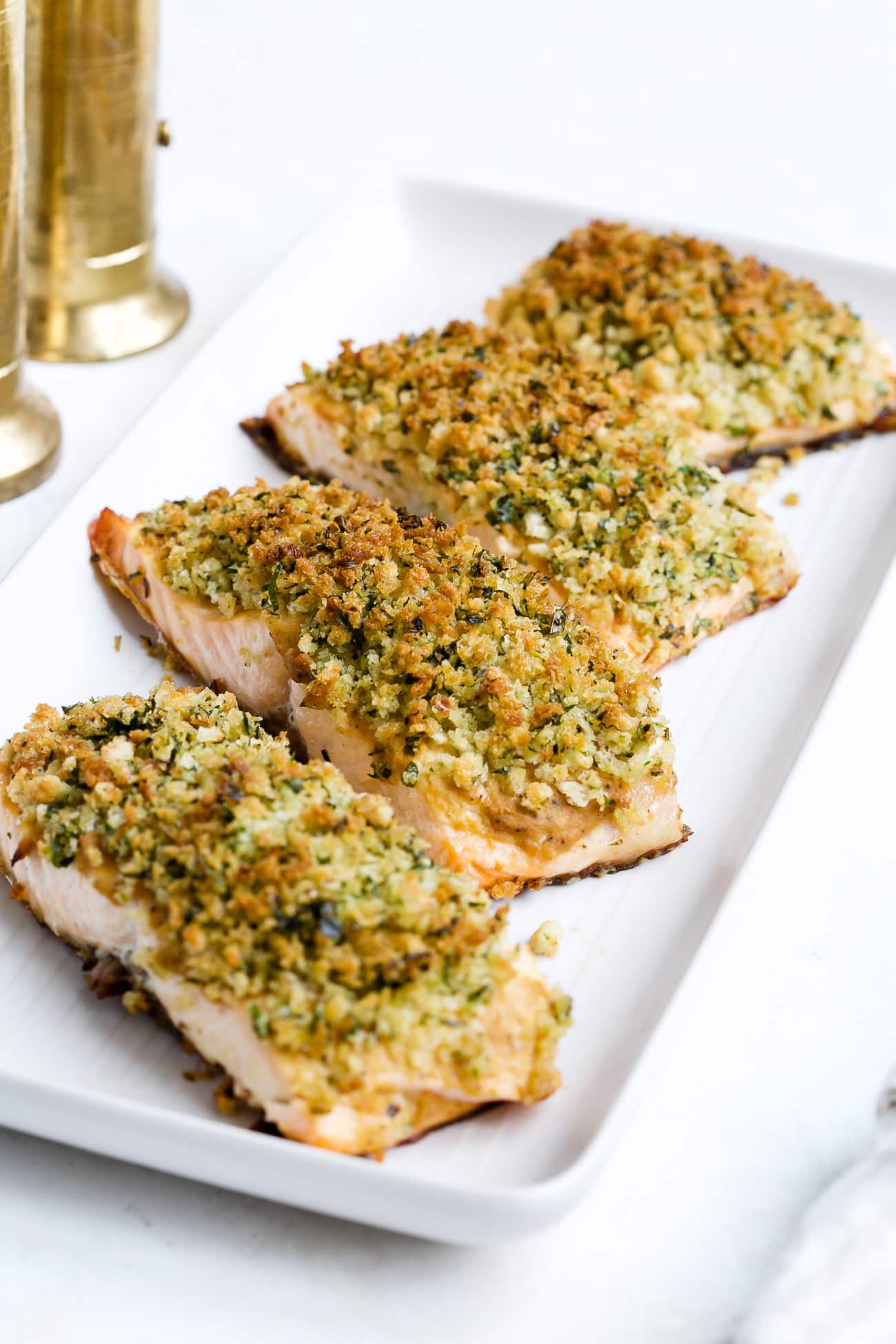
Panko Crusted Salmon: Crunchy on the outside, tender and flaky inside. The panko breadcrumb crust gives this baked salmon a texture that feels more special than a plain fillet. I like to pre-toast the panko before pressing it onto the fish for a more even, golden crust.
Pan-Seared Salmon Recipes
Pan-searing gives you the crispiest skin and a beautiful golden crust on the flesh in under 15 minutes. The key is a hot pan and dry fish. I always pat the fillets dry with a paper towel before they go anywhere near the skillet.
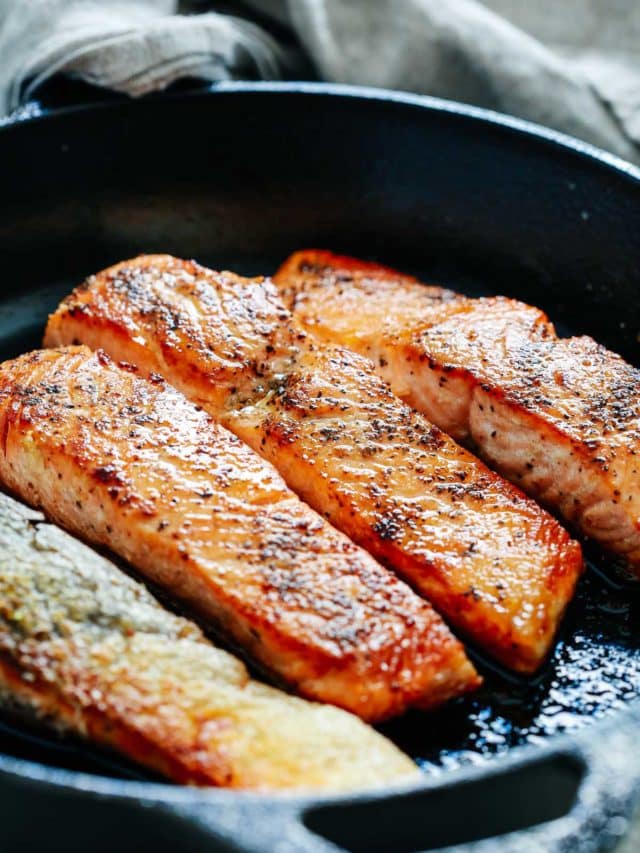
Pan Seared Salmon: My go-to method when I want dinner on the table fast. Four ingredients, one cast iron skillet, and 12 minutes from start to finish. The skin gets perfectly crispy every time.
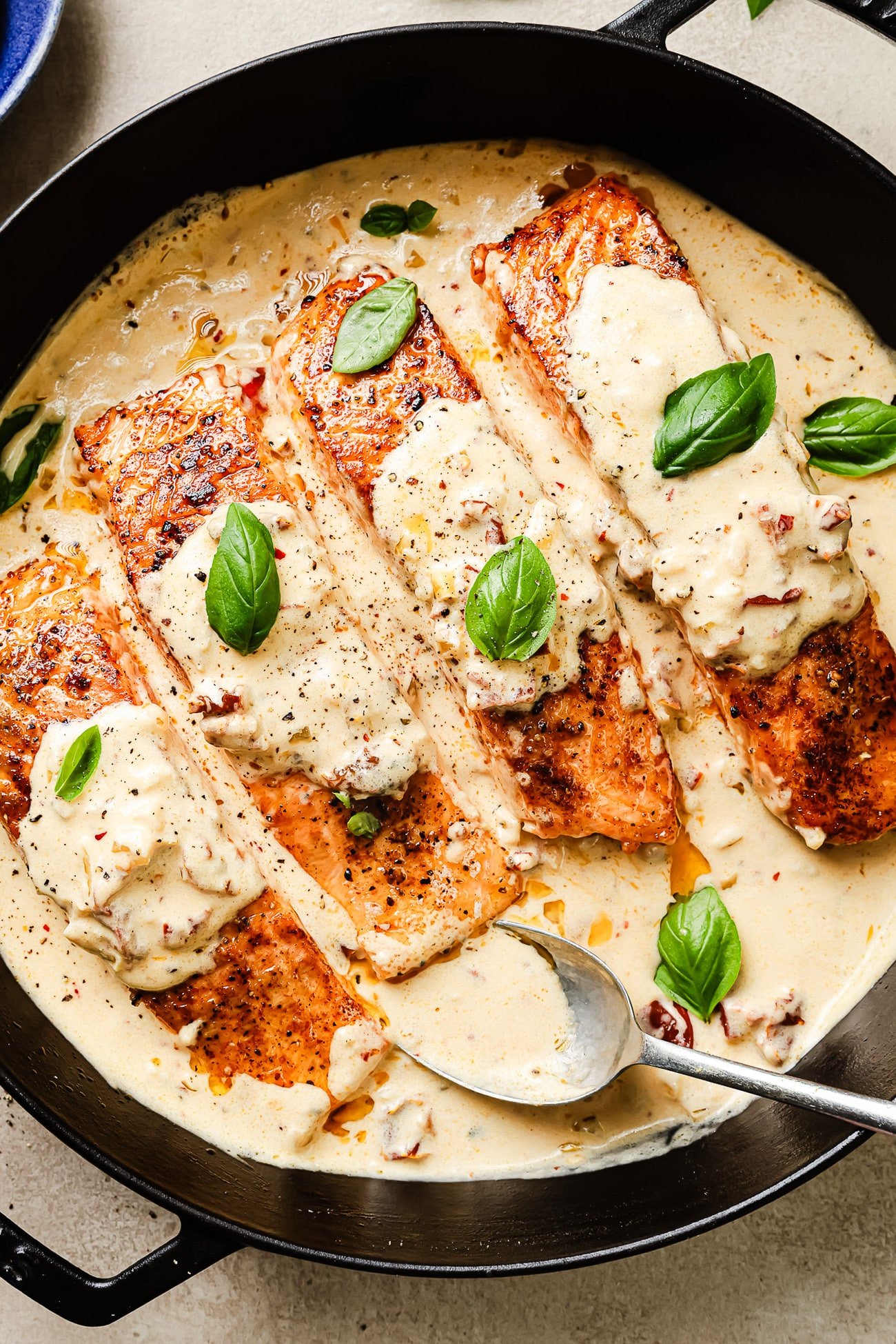
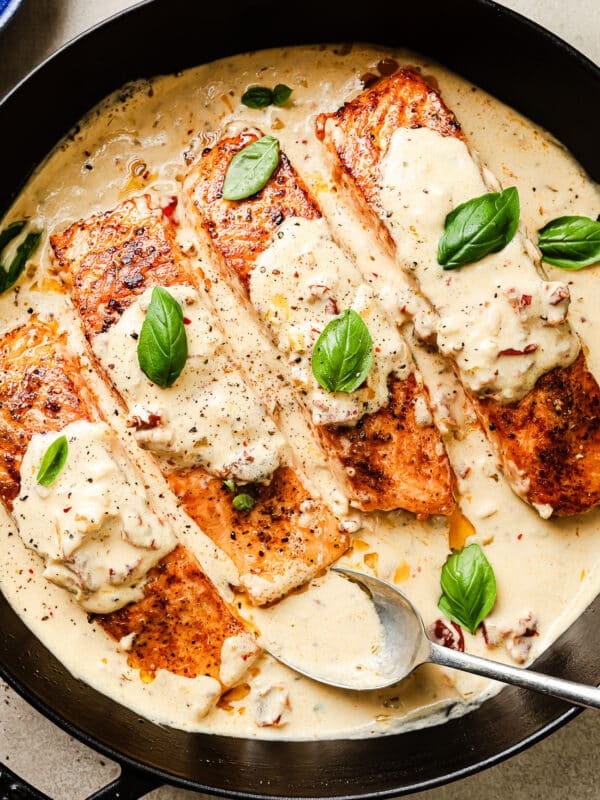
Marry Me Salmon: Juicy pan-seared salmon fillets smothered in a creamy, garlicky sauce with sun-dried tomatoes and parmesan. This one is rich enough for a date night but simple enough for a Tuesday. I serve it with a side of my Creamy Mashed Potatoes and some garlic bread to soak up that sauce.
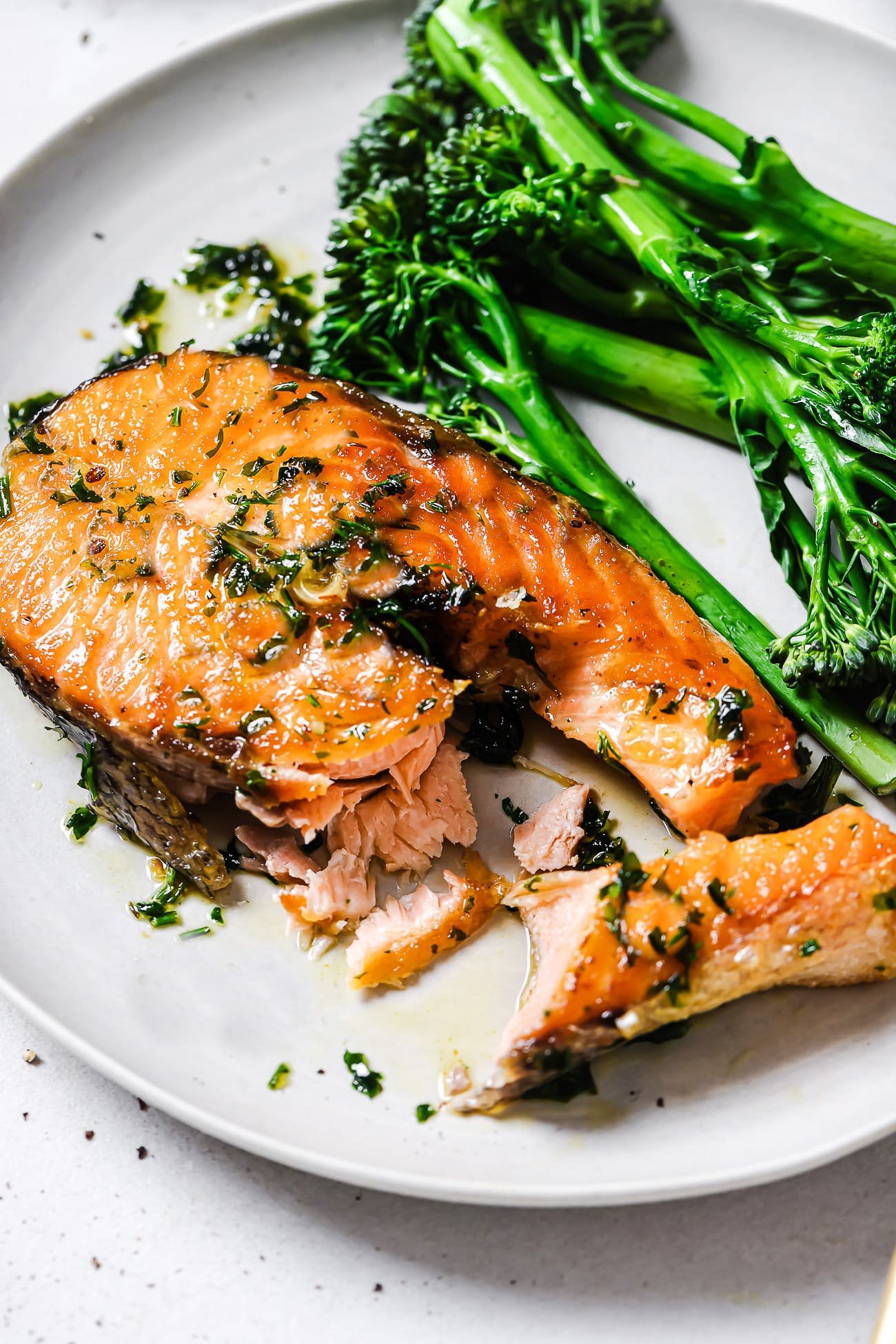
Salmon Steak with Garlic Compound Butter: Salmon steaks are thicker than fillets and stay incredibly juicy when pan-seared. The homemade garlic compound butter melts right into the fish as it rests. Ready in 15 minutes and impressive enough for guests.
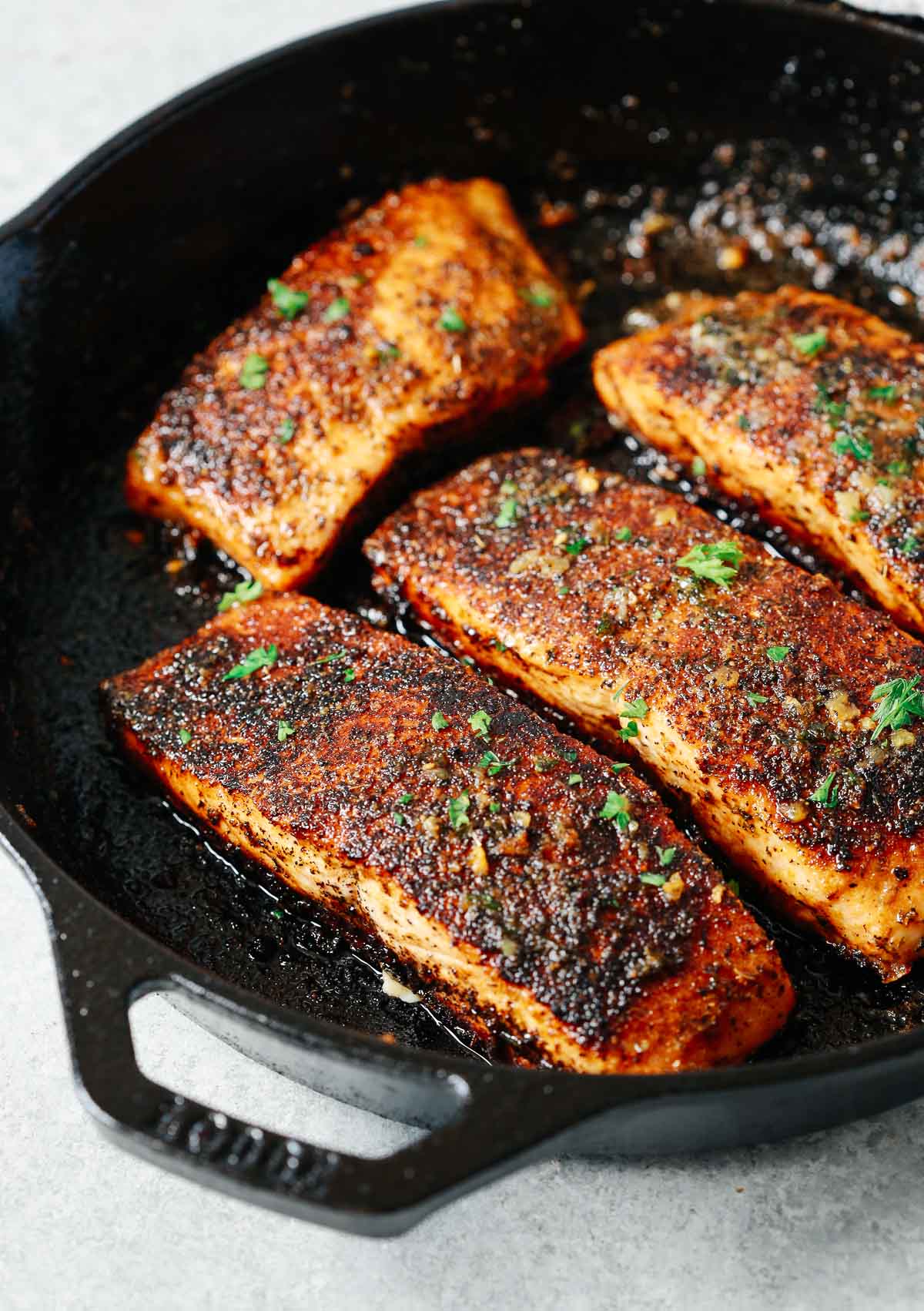
Blackened Salmon: A bold, smoky spice rub that creates a darkened, crispy crust with a tender center. This one is Thomas’s favorite when he is in the mood for something with a little kick. Excellent in tacos or over rice.
Broiled Salmon Recipes
The broiler is the most underrated way to cook salmon. High, direct heat from above creates a caramelized top without overcooking the center. It is faster than baking and gives a result closer to grilling without needing to go outside.
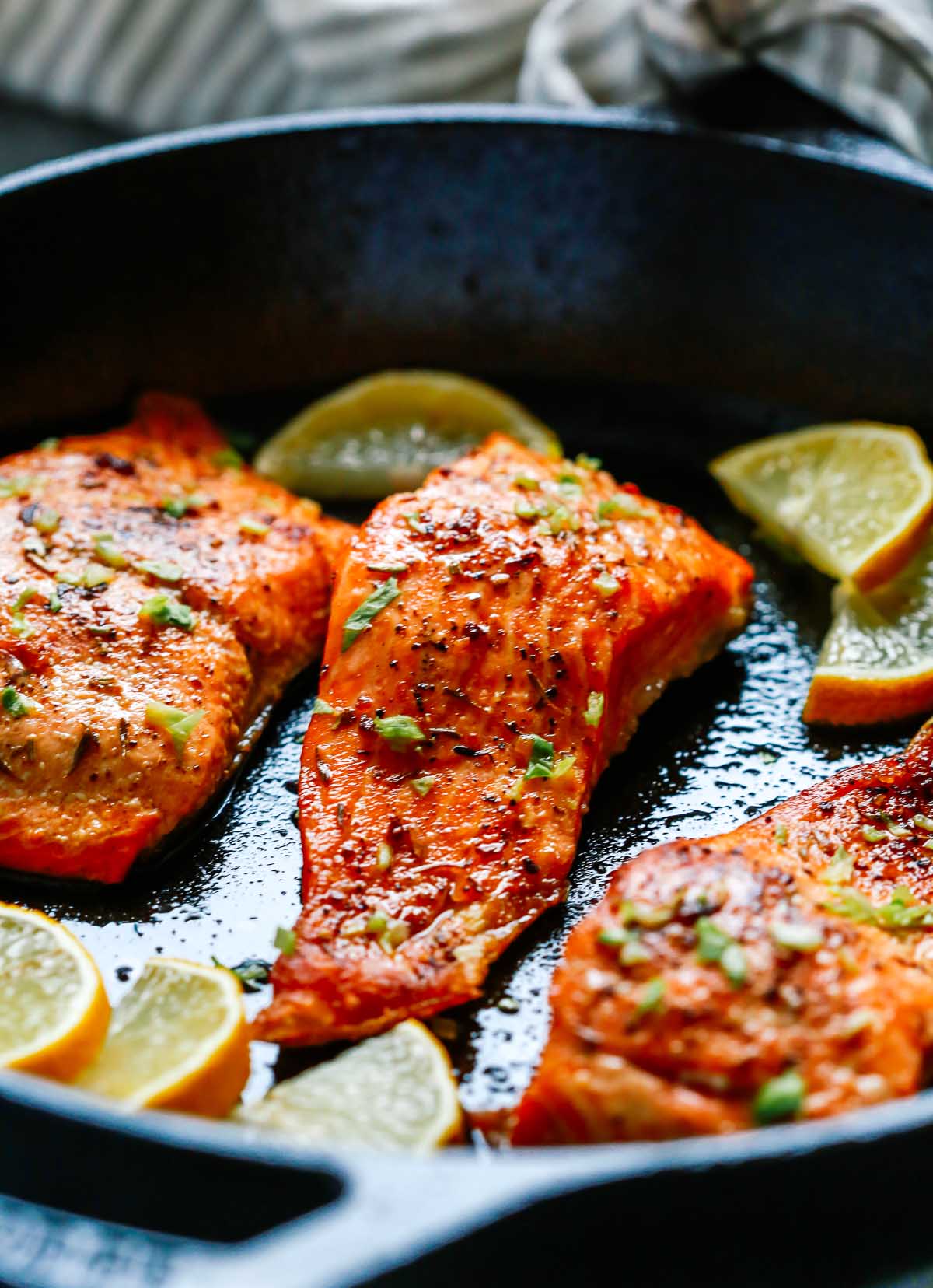
Easy Broiled Salmon Recipe: Cooked at high heat for just 8 to 10 minutes. The top gets lightly caramelized while the inside stays silky. I add a squeeze of lemon and a handful of fresh dill at the end. This is one of my quickest weeknight dinners.
Sheet Pan and One-Pan Salmon Recipes
These are my meal-prep heroes. Everything on one pan, minimal cleanup, and you can customize the vegetables depending on what you have in the fridge.
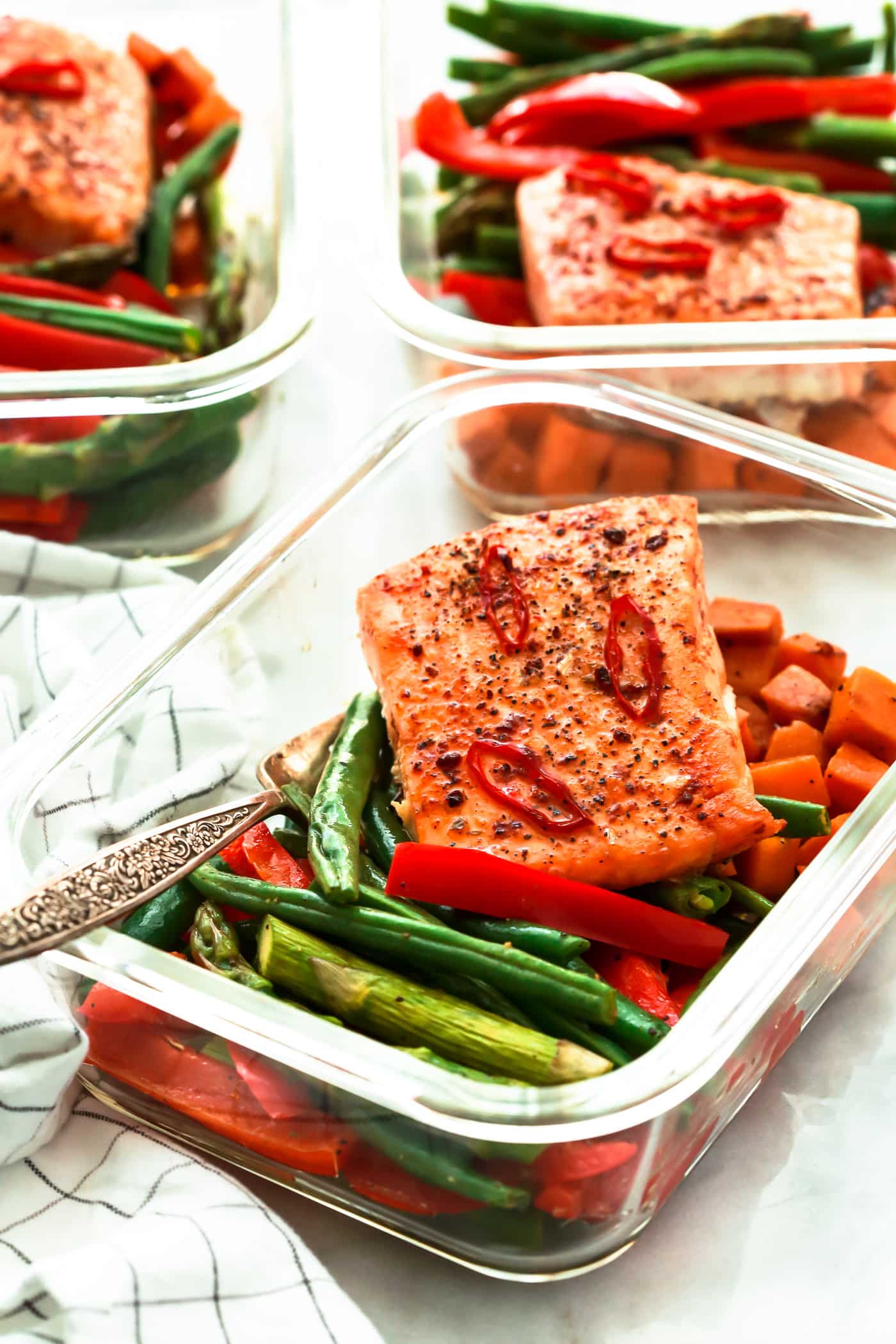
Spicy Salmon Vegetable Meal-Prep Bowls: Salmon and a full tray of vegetables all roasted together on one sheet pan. I make this on Sunday afternoons while Pierre and Thomas are in the living room, and we eat it for lunches all week. The salmon actually gets better as a leftover.
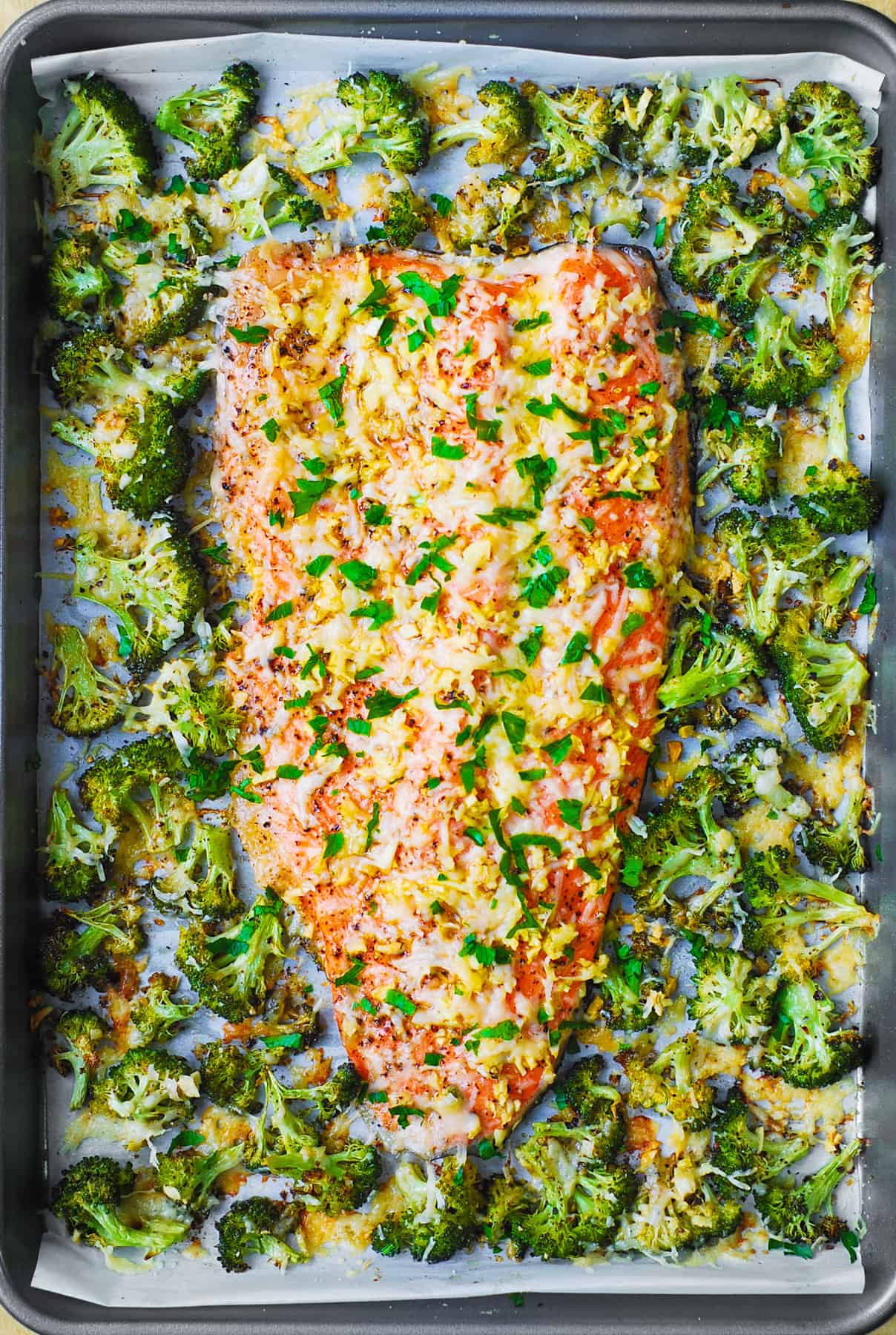
Sheet Pan Salmon and Broccoli with Garlic and Parmesan: Broccoli florets and salmon fillets roasted together until the broccoli is slightly charred and the salmon is perfectly flaky. Fifteen minutes of prep, 20 minutes in the oven, dinner done.
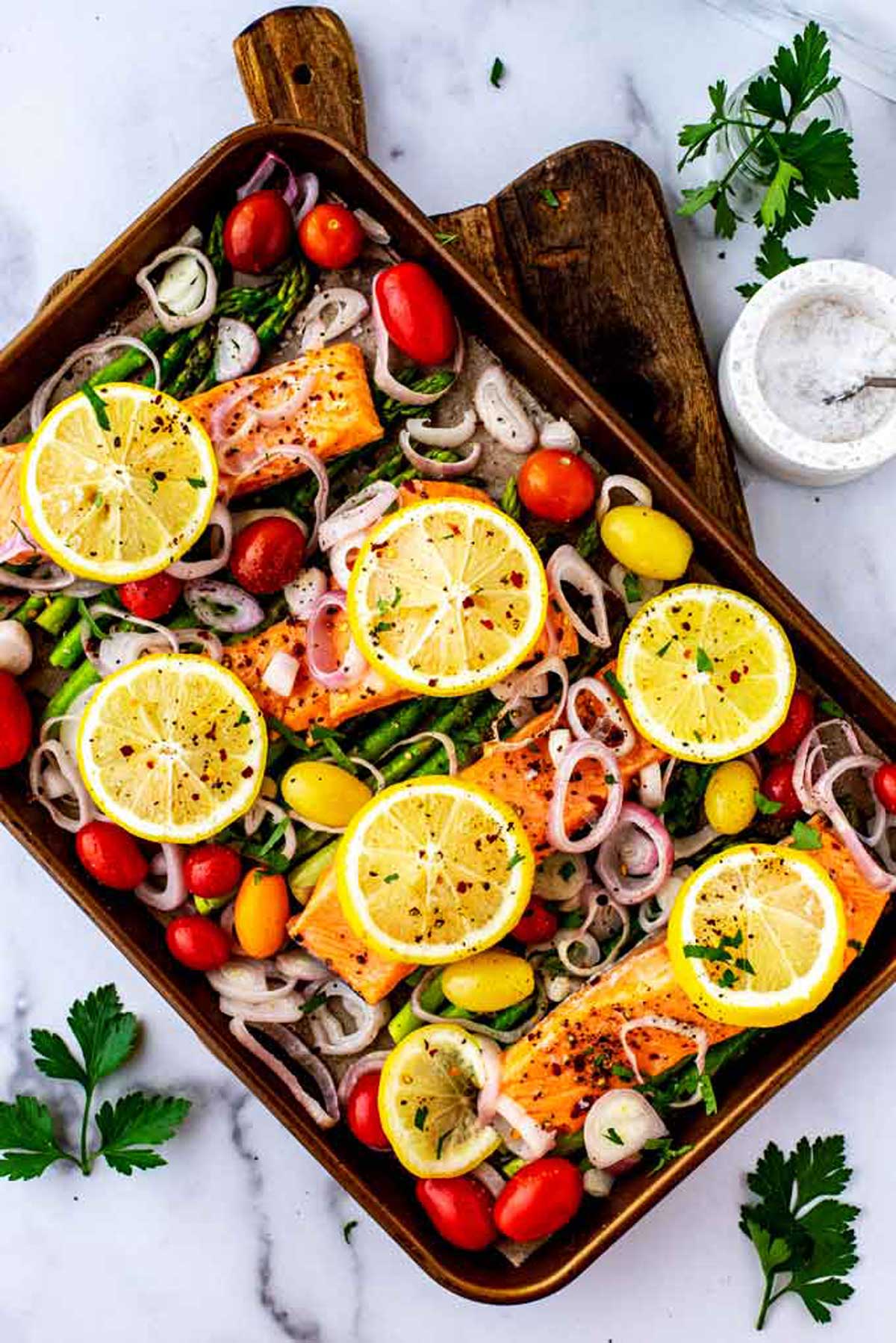
One Pan Salmon with Asparagus and Tomatoes: The tomatoes burst in the oven and create a light sauce around the salmon. This is one of those dinners that looks far more impressive than the effort it requires.
Salmon Bowl and Salad Recipes
Bowls and salads are some of the most popular ways to eat salmon at our house, especially in spring and summer when I want something lighter.
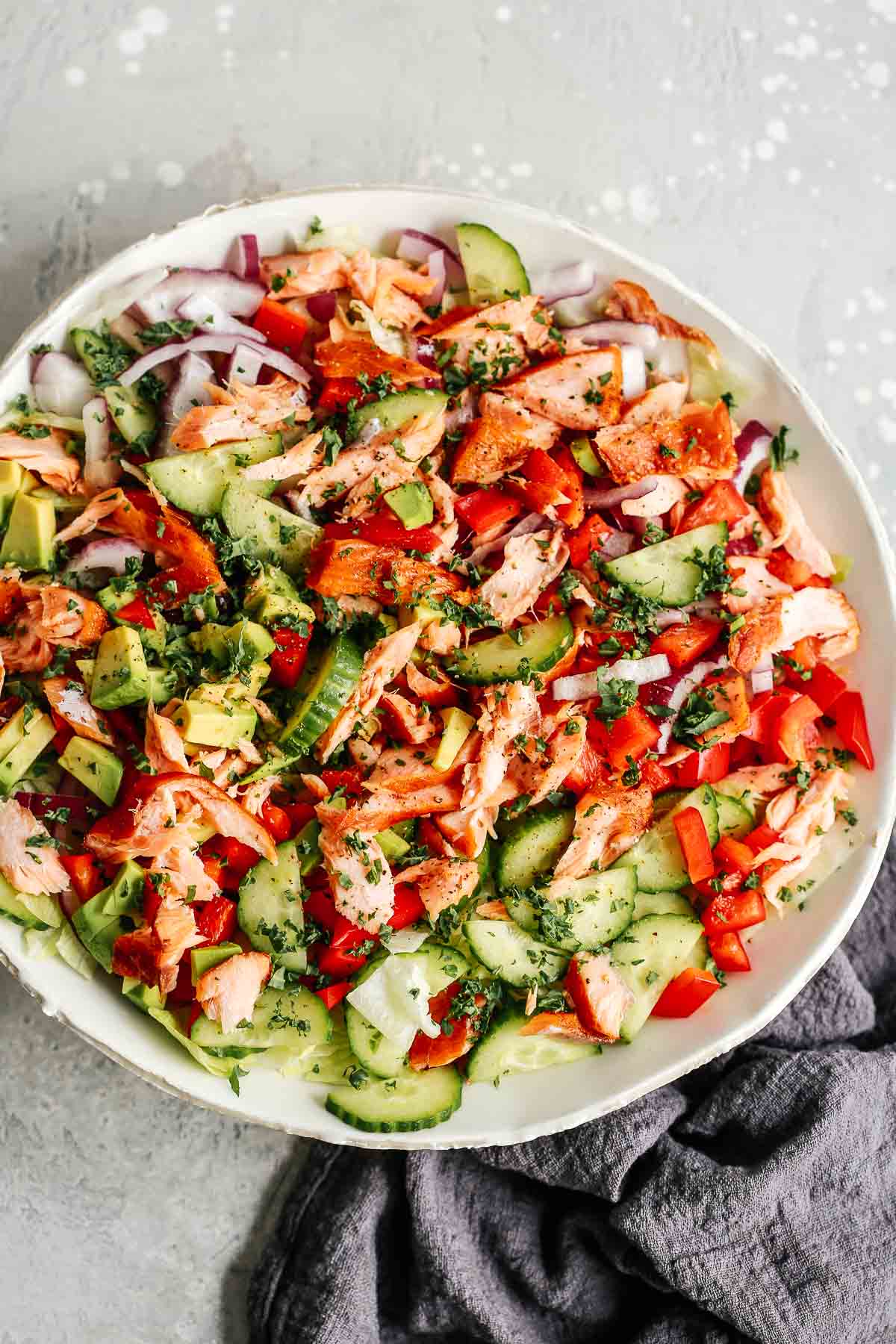
Chopped Salmon Salad: Ready in 10 minutes. Flaky salmon over crisp vegetables with a bright lemon dressing. Perfect for a quick lunch or a light dinner. You can use freshly baked salmon or leftover salmon from the night before.
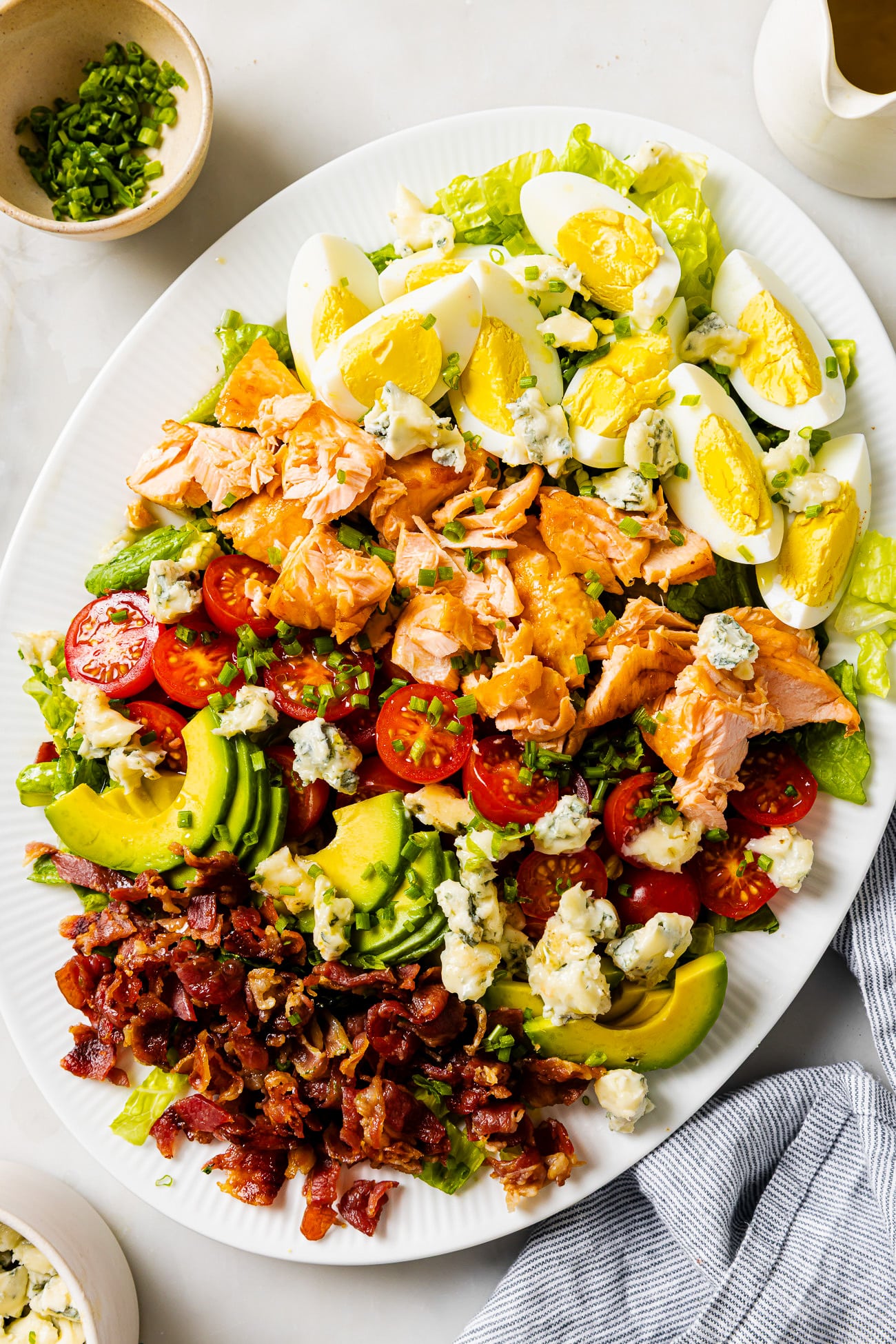
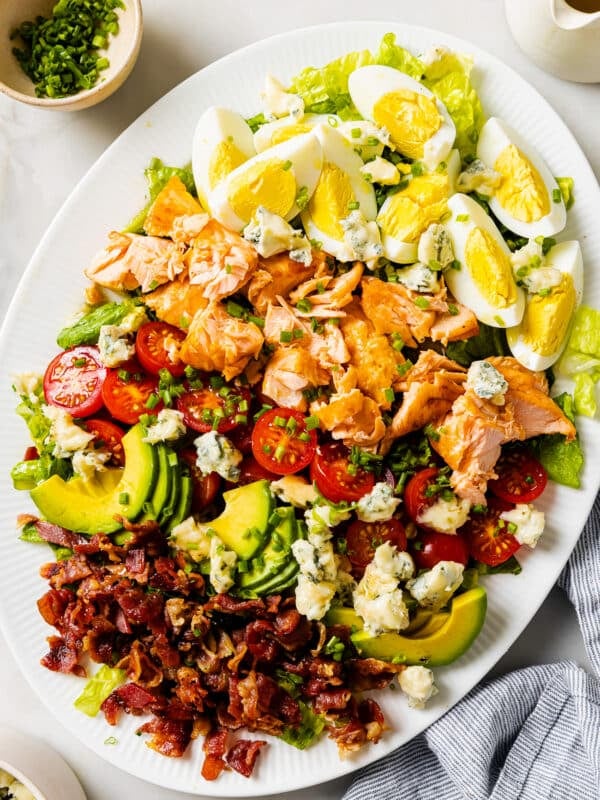
Salmon Cobb Salad: Classic cobb salad gets a delicious upgrade with salmon instead of chicken. Hard-boiled egg, avocado, blue cheese, and a creamy dressing. Substantial enough to be a full meal.
Salmon Pasta Recipes
Pasta and salmon is a combination I grew up seeing at the table in Brazil in different forms, and one I have made many versions of over the years. These are the ones I keep coming back to.
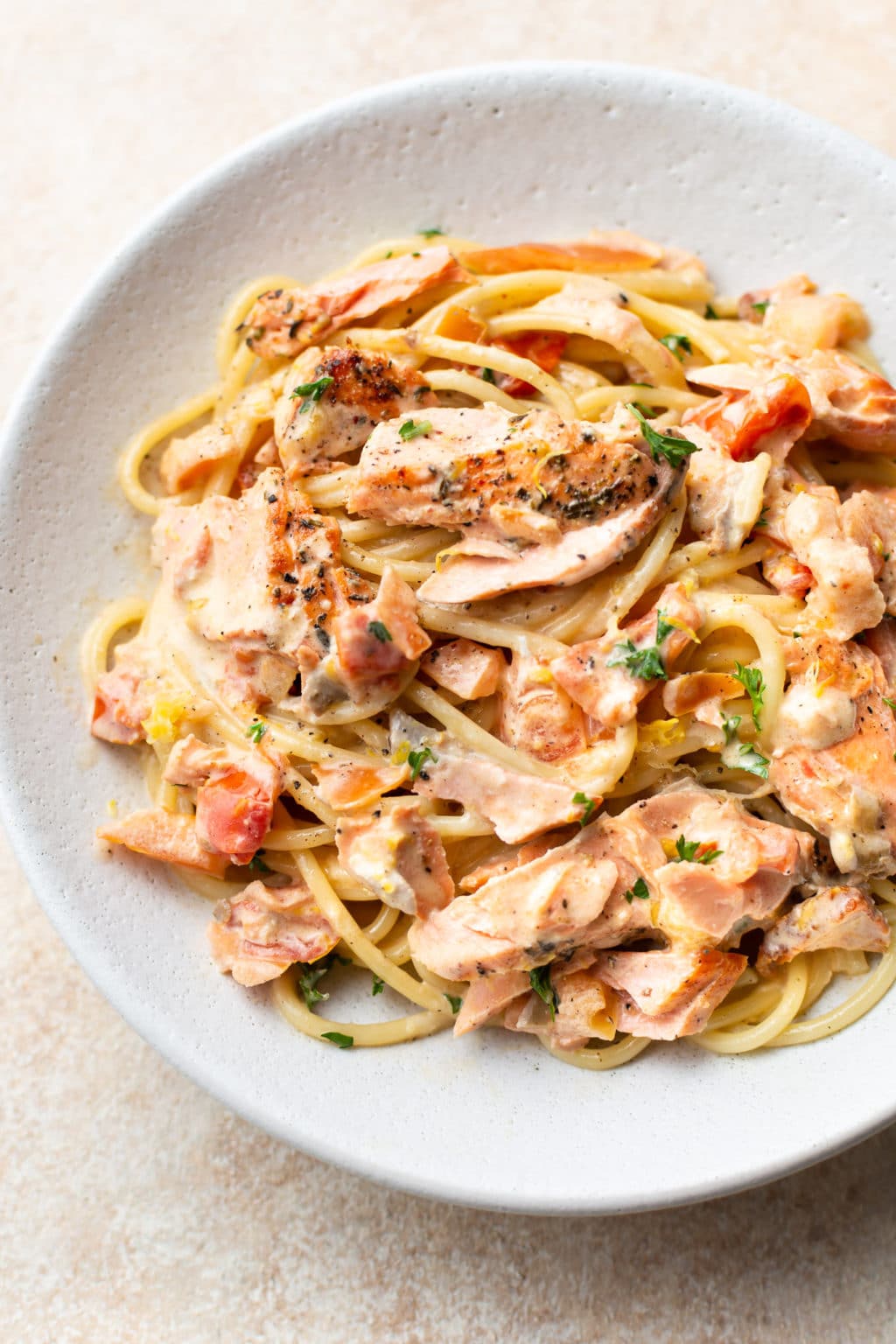
Salmon Pasta Recipe from Salt and Lavender: Creamy, simple, and ready in under 30 minutes. A weeknight pasta that feels restaurant-worthy without the effort.
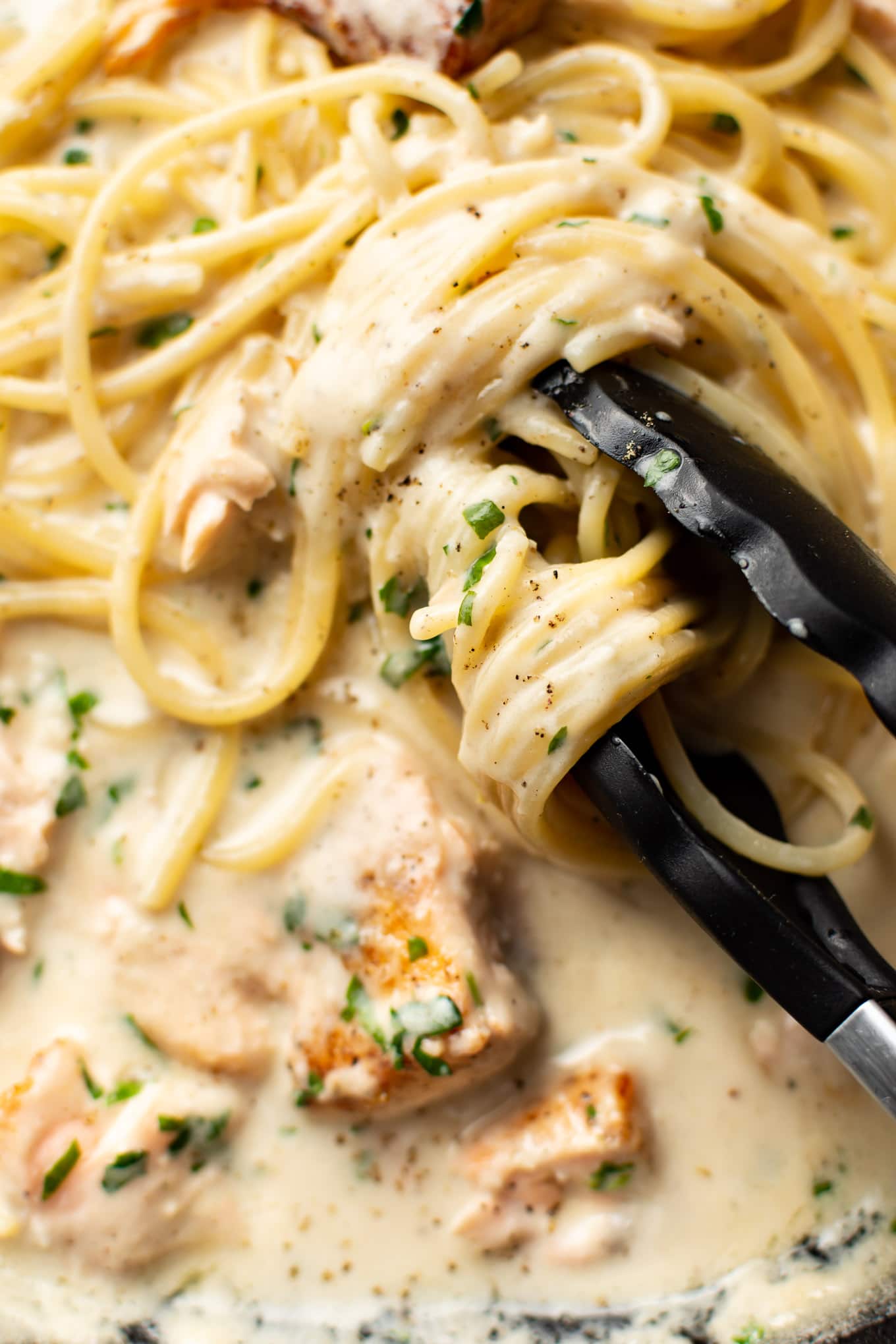
Creamy Lemon Salmon Pasta from Salt and Lavender: Fresh lemon and cream create a bright, light sauce that lets the salmon be the star. I add a handful of capers for a briny note that cuts through the richness. This one is on regular rotation in our house.
Salmon Patties and Other Salmon Recipes
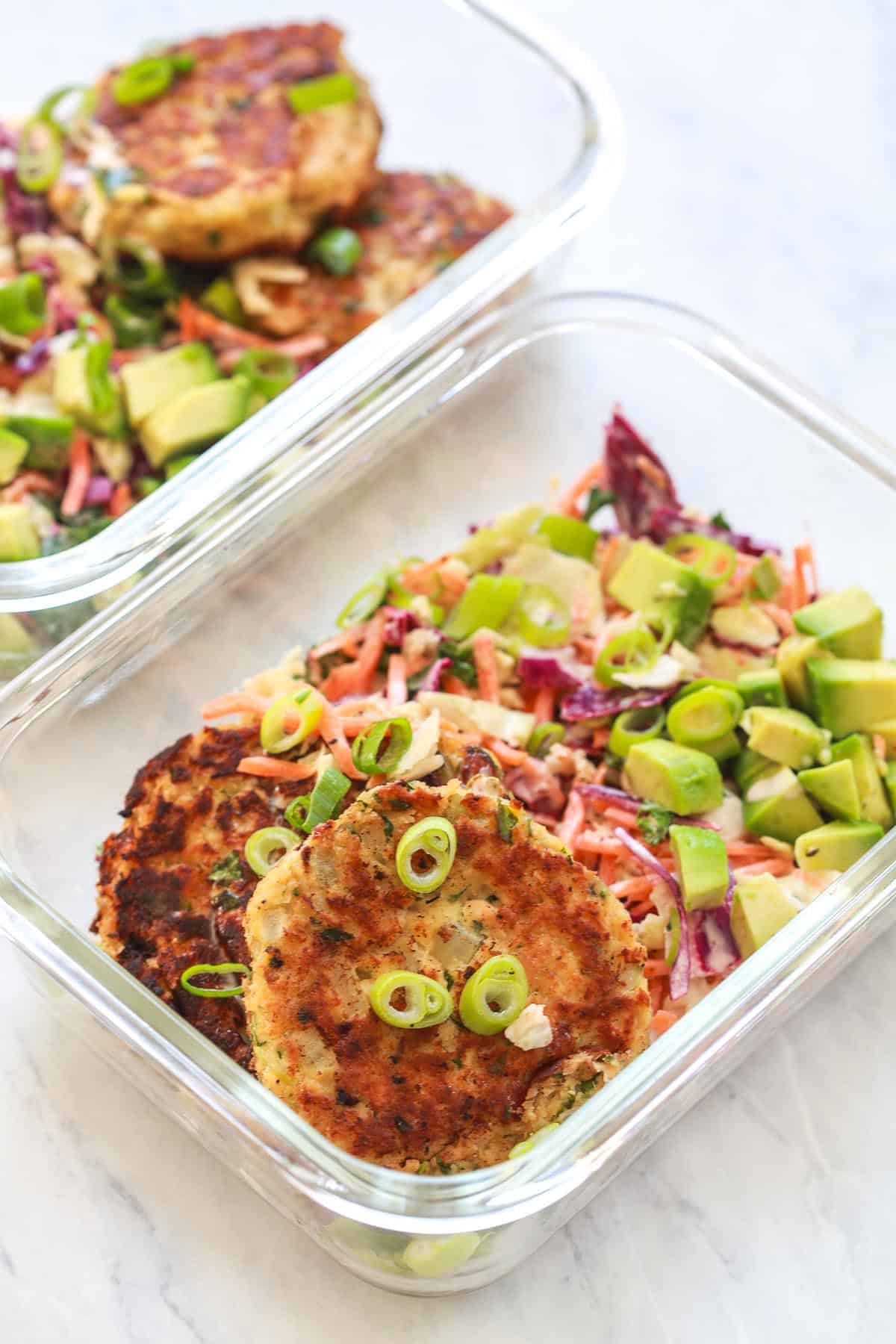
Salmon Patties with Coleslaw Meal-Prep Bowls: Crispy salmon patties made with canned or fresh salmon, paired with a fresh homemade coleslaw. I make these on Sundays and they work beautifully as a packed lunch for Pierre and Thomas during the week.
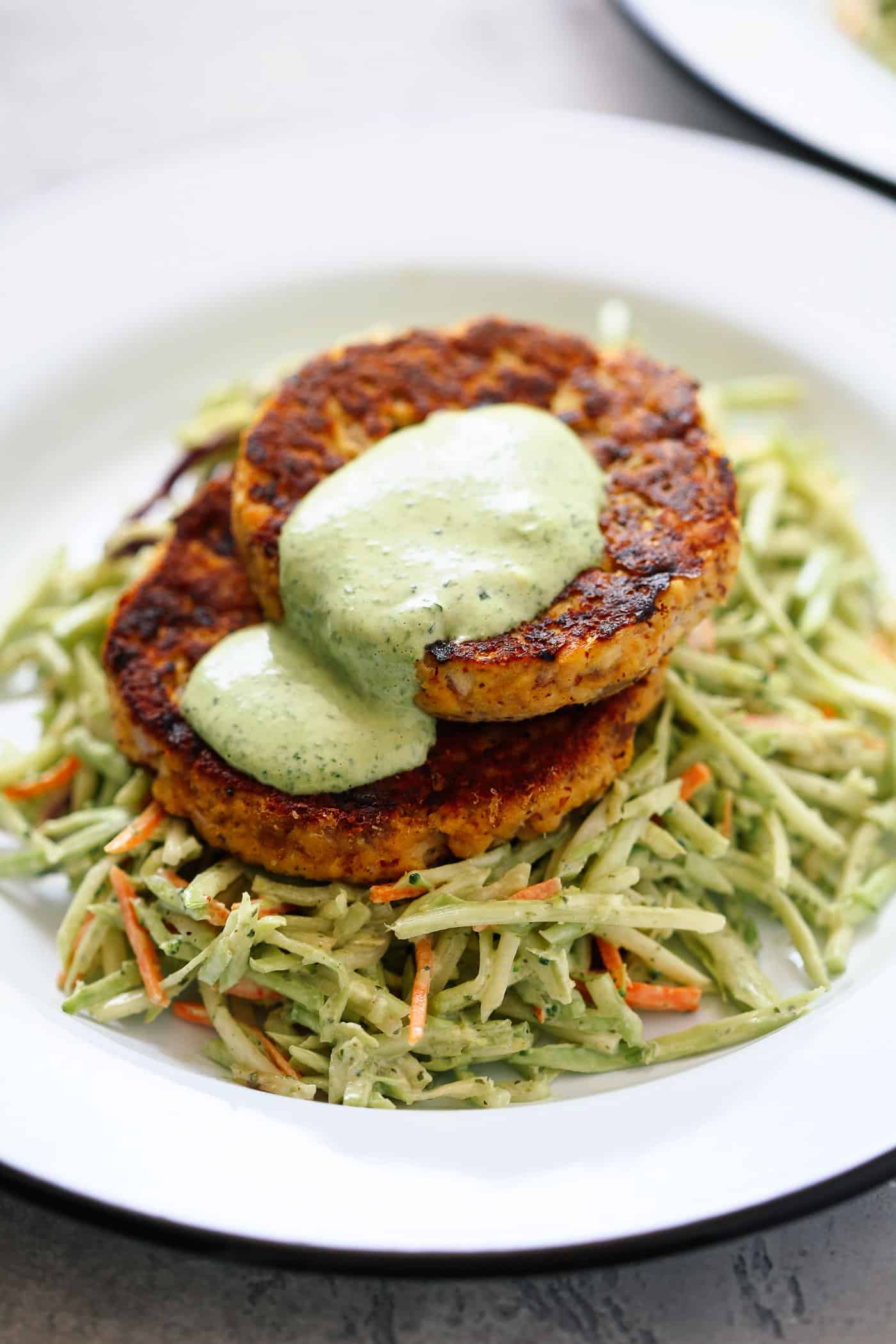
Salmon Burgers with Avocado Coleslaw: These are not your average fish burgers. The patties are made with fresh salmon, seasoned simply, and pan-seared until golden and crispy on the outside while staying juicy inside. What makes this one special is the avocado coleslaw served alongside.
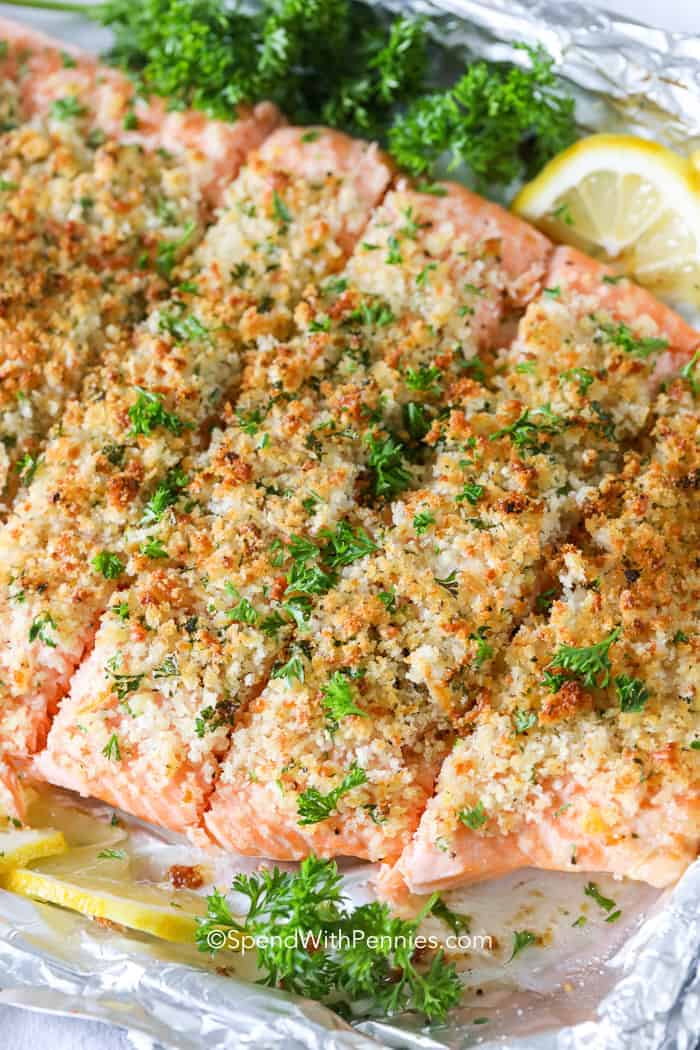
Herb Crusted Baked Salmon from Spend with Pennies: A fresh herb crust that adds flavor and a little color. Easy to put together with whatever herbs you have on hand.
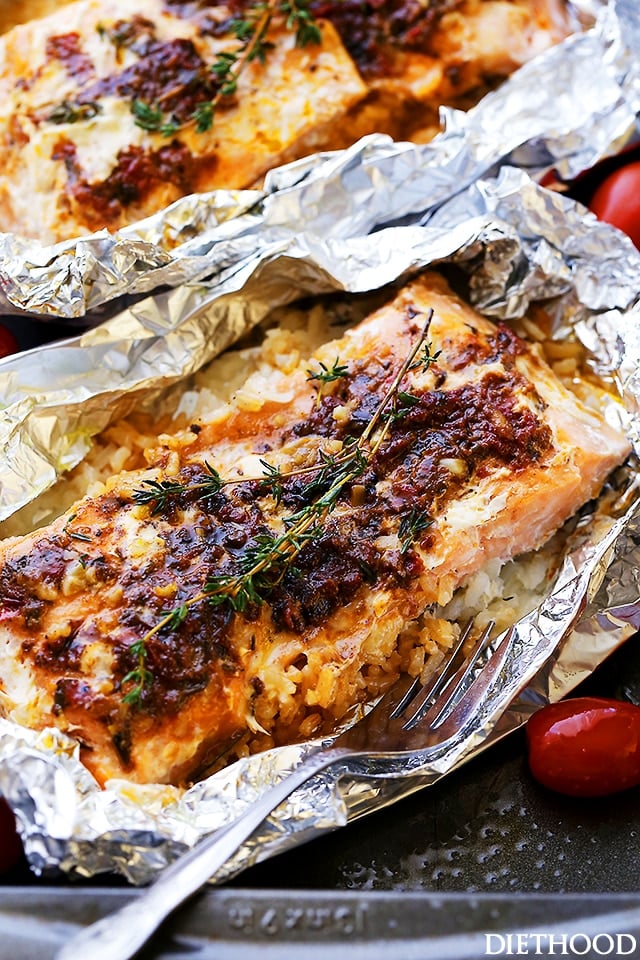
Tomato Pesto Salmon and Rice Recipe Baked in Foil from Diethood: The pesto and tomato combination baked inside the foil makes a light, fragrant sauce. A full meal with the rice baking right alongside the salmon.
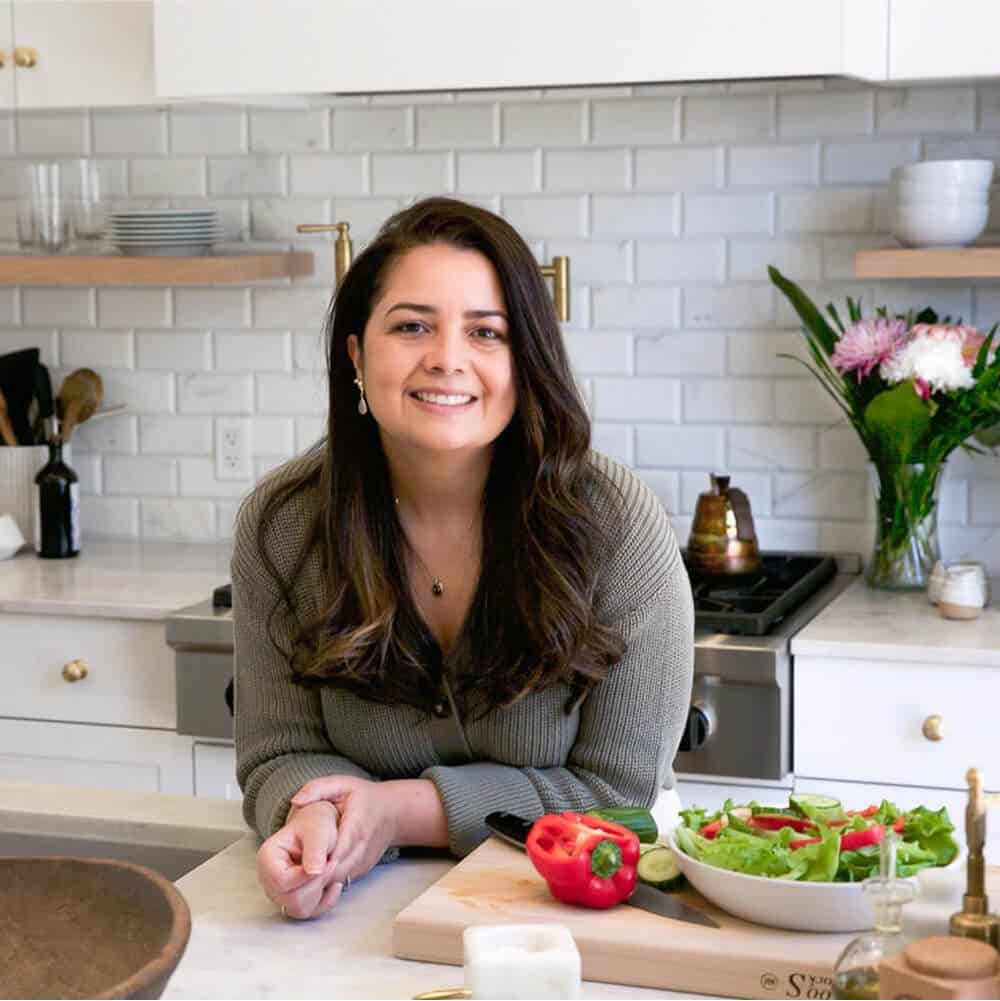
Olivia’s Tips for Making Salmon Every Week
Pat the fish dry before cooking, every single time. Whether you are baking, pan-searing, or broiling, moisture on the surface of the salmon prevents browning and makes the skin go limp instead of crispy. Thirty seconds with a paper towel makes a real difference in the final result.
Do not move the salmon in the pan until it is ready to flip. When pan-searing, resistance is your guide. If you try to flip and the fish sticks, it is not ready. Wait another minute and try again. Salmon will naturally release from a hot pan when the crust has formed.
Season the salmon just before it goes into the heat. If you season salmon with salt too far ahead, the salt draws moisture to the surface, which works against the crust you are trying to build. Season immediately before cooking.
Buy more than you need when you find a good price and freeze it. Salmon freezes beautifully for up to three months. I wrap individual portions tightly in plastic wrap and then in a zip-lock bag, removing as much air as possible. Thaw overnight in the fridge. Never thaw on the counter.
Keep the skin on during cooking, even if you plan to eat it without skin. The skin acts as a natural barrier between the flesh and the heat, protecting the bottom of the fillet from drying out. It peels off easily after cooking. If you bake or pan-sear with the skin on, you will get a more evenly cooked, juicier fillet.


Salmon Dinner Ideas for Any Night – Baked, Pan-Seared & Broiled
Ingredients
- 4 salmon filets skin about 6 ounces each
- Salt and black pepper
- 2 tbsp butter use ghee for Paleo and Whole30
Instructions
- Heat your cast iron skillet over medium heat. Pat salmon dry with paper towel and season both sides with salt and pepper.
- When your skillet is near smoking, add in the butter, let it melt for 30 seconds.
- Add in the salmon (skin side down). Let the salmon cook without moving. It’s about 5 minutes depending on how thick your salmon fillet is.
- Flip, and cook for 2 more minutes. You know when it’s time to flip when the sides of the salmon look about 2/3 opaque and cooked through.
- Remove from the pan and set it aside (skin side up). Enjoy!
Notes
Nutrition
Nutrition information is automatically calculated, so should only be used as an approximation.
Did You Make This?
Follow @primaverakitchen on Instagram, snap a photo, and tag it #primaverakitchen. We’d love to see your recreation.








Thanks for the recipes
You’re very welcome!
Please send me the website thank you